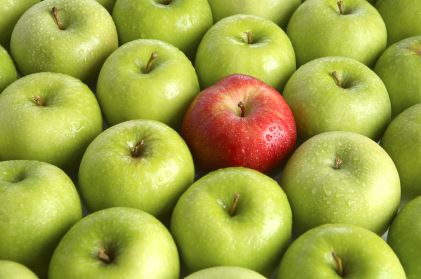
Contrast- Refers to the arrangement of oppositeelements (light vs. dark colors, rough vs. smooth textures, large vs. small shapes, etc.) in a piece so as to create visual interest, excitement and drama. It is showing contrast by having a red apple in a bunch of green apples. From: Graphic Design Fundamentals
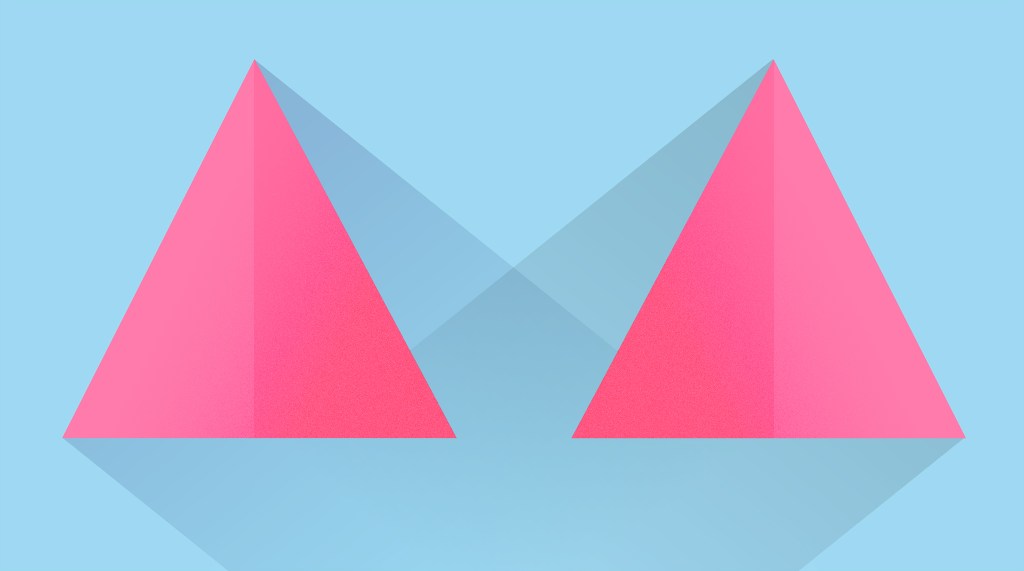
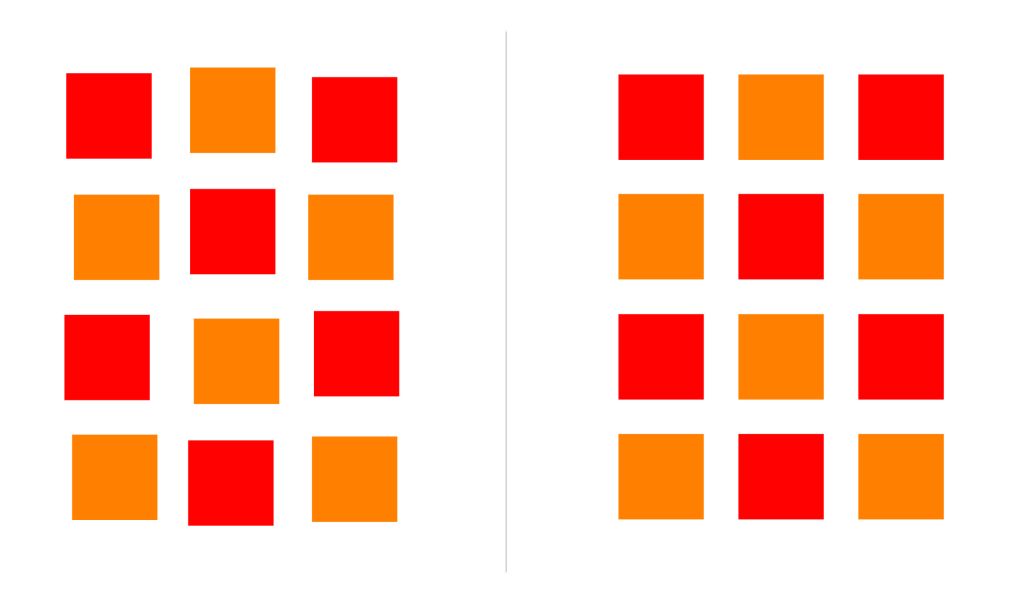
Balance- refers to the distribution of visual weight in a design. It is the arrangement of items on the page so that one side is not weighted heavier than the other. Balance is showing two side of a picture that can be split in half and still look the same. From: SlideShare Blog
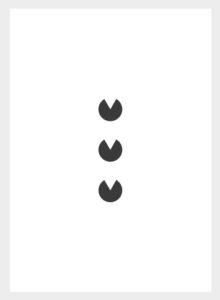
Unity/Proximity The relative closeness or separation between objects that reflects an assumed relationship between those objects is proximity. This is showing Unity/Proximity because it is showing closeness of objects. From: Graphic Designer in Kenya
Alignment (like the name suggests) is all about organizing elements relative to a line or margin. Alignment is showing that two things are aligning together. From: Pinterest
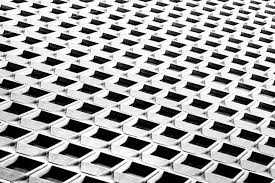
From: Designorate Repetition is simply the process of repeating elements throughout a design Keeping design uniformity with text, picture elements, and design styles allows the viewer to flow easily through your designs. Repetition is showing multiple things being repeating. From: Designorate
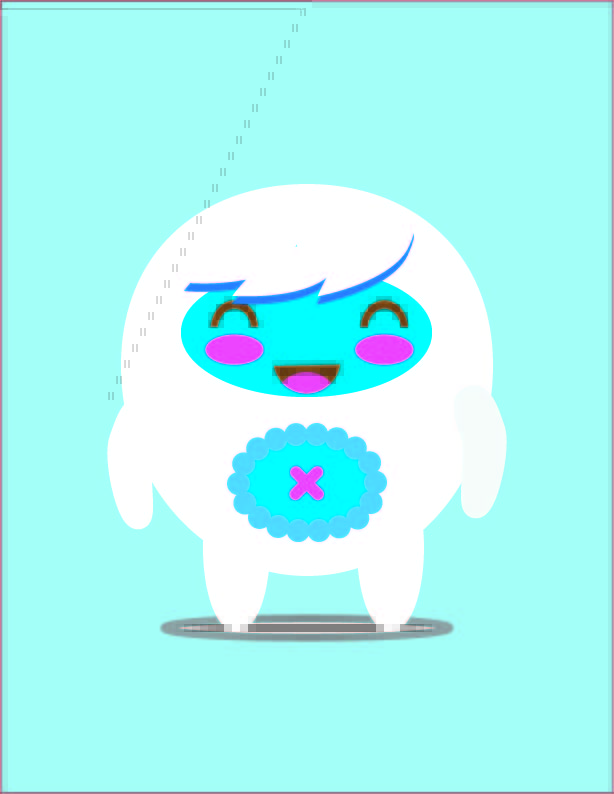
In terms of art, white space can be referred to as negative space . It is the portion of a page left unmarked. Its showing the company in white space simply. From: The Visual Representation Guy In terms of art, white space can be referred to as negative space . It is the portion of a page left unmarked. Its showing the company in white space simply. From: The Visual Representation Guy


 Ian's Blog